9.12.2023
Benefits of yoga

Benefits of Yoga:
- better heart health and heart rate variability
Through conscious breath control, the stress reduction that comes with it, and dynamic as well as isometric asana practice, yoga improves heart rate variability (meaning the heart adapts better to the demands placed on it) and strengthens the cardiovascular system. This can reduce the risk of cardiovascular disease. Heart rate variability is considered a general indicator of fitness
- Concentration and focus
Conscious breath control and observation, together with linking breath and movement during physical practice, improve concentration and (body) awareness. With regular practice we learn to direct our attention to specific points and processes, such as what is happening on our mat, and to keep it there
- Balance
Few forms of movement work our sensorimotor system as intensely as a challenging asana practice. Many poses call on our sense of balance, and when we try to stay steady in wobbly positions we train our deep muscles and our muscle spindles, which keep us from falling almost without us noticing. We can take this balance off the mat too, in body and mind
- Immune system
Better blood flow throughout the body and the stress reduction that comes with it increase the activity of our immune system and our resistance to infection. Negative stress suppresses our immune response quickly. Regular practice helps you counteract this and train your stress response.
- Pelvic floor
By consciously sensing and engaging our bandhas in the throat, diaphragm and pelvic floor, we strengthen the support of our internal organs, help prevent age-related incontinence and promote intense sexual sensation, and in men strong and longer-lasting erectile function.
Pelvic floor training can ease discomfort in women, especially after pregnancy
- Pain management
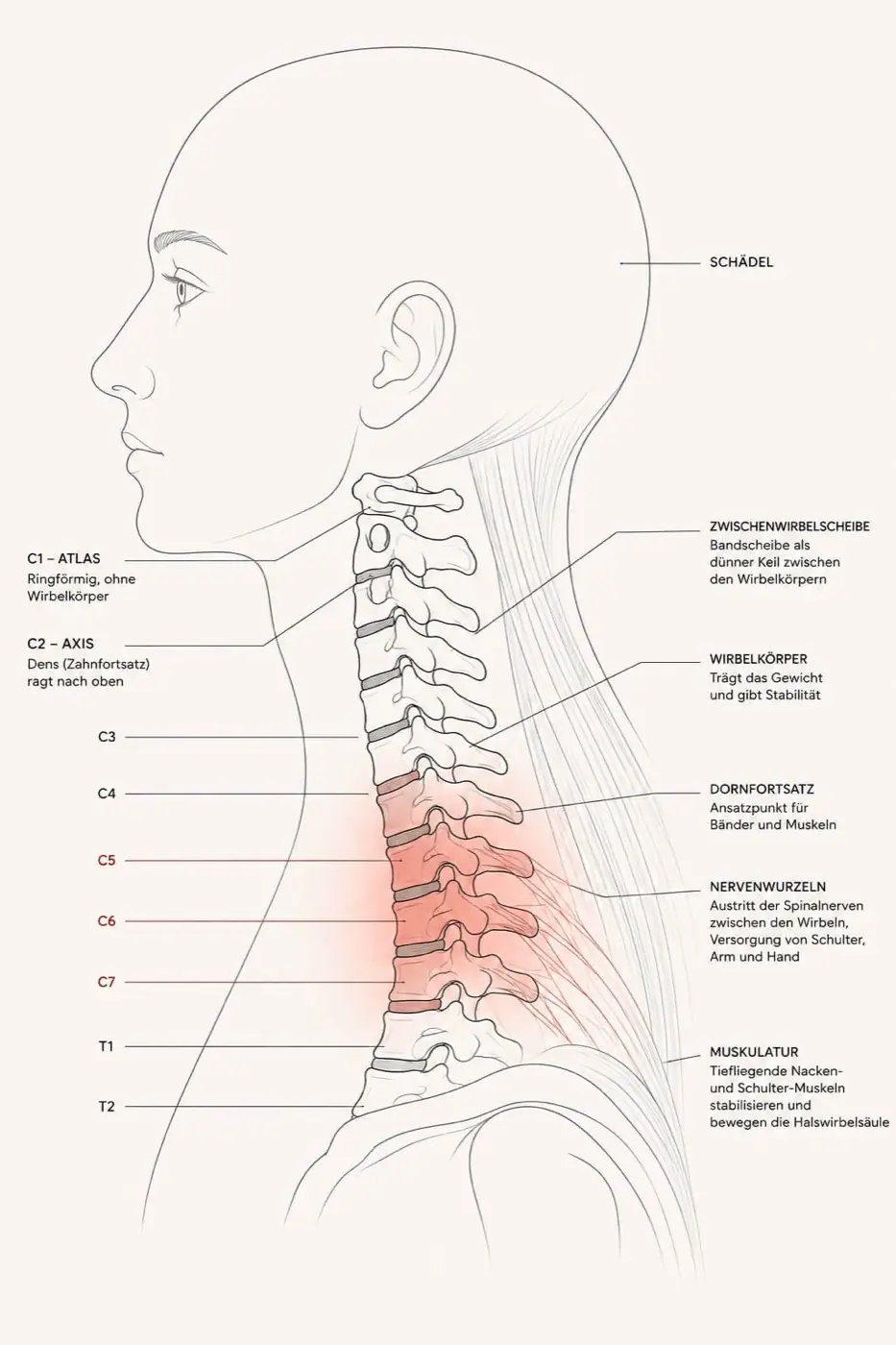
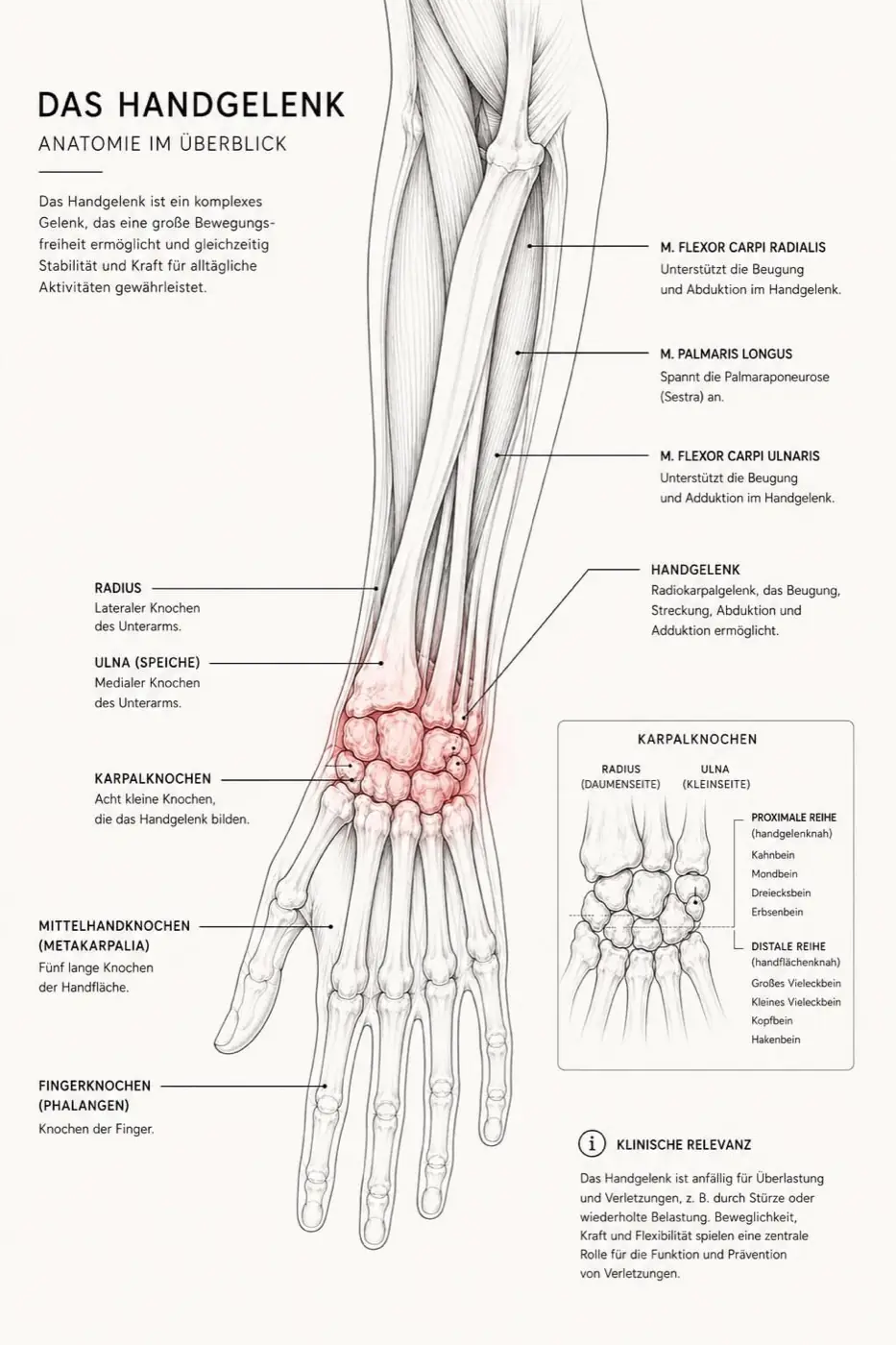
The wide range of strengthening and stretching exercises can ease diffuse tension pain in the musculoskeletal system, for example from monotonous strain such as long hours sitting at a desk. By also engaging small muscles and fascia that get neglected in everyday life, for example in the neck and toes, imbalances can be corrected and general wellbeing improved
- Posture and mobility
Not least thanks to better body awareness, and alongside stronger skeletal muscles, yoga helps us find a healthy, upright posture. We become stronger overall and more mobile at the same time. Strength and flexibility are not opposites here; they complement each other like yin and yang
- better sleep
Slow, flowing movements in particular signal to our body that we are in a safe, calm environment. This activates the parasympathetic nervous system, our “rest & digest” system, and can improve sleep quality
- mental health
Asana practice and meditation can ease symptoms of depression. Because we actively train our stress management, learn to work with our emotions, release endorphins through physical activity and come together with a group of like-minded, kind people, we can see positive effects on mental health. We build calm and resilience by working through resistance on the mat, and learn to do the same in life off the mat
- Breathing
Targeted training of our respiratory muscles through pranayama, along with greater awareness of breathing that usually happens passively and unnoticed, lets us use our full breathing capacity and gives us tools to handle stress and anxiety in everyday life
- Yogis show increased activity of the vagus nerve, which, even outside our practice, is involved in reducing inflammation in the body and in many healing processes
- Menopause
Thanks to its regulating effect on our hormonal system, yoga can ease symptoms of menopause.
- Excess weight
Through movement, muscle strengthening, correct breathing, stimulation of fat metabolism and the digestive tract, and a better awareness of what your own body needs, regular yoga practice can help counter and prevent obesity
- Stress management
Through breath control and overcoming inner resistance, the brain releases more GABA (gamma-aminobutyric acid) over time, a messenger substance that helps reduce stress hormones such as cortisol in the body. This lastingly eases the dominance of the sympathetic nervous system caused by chronic stress, and the parasympathetic nervous system, the part of our nervous system responsible for regeneration, digestion and relaxation, gets its turn. We become more resilient and feel less stressed