13.3.2023
7 Chinese herbs to strengthen the immune system

In Traditional Chinese Medicine, herbs are used to prevent or treat illness, to balance qi and to support the body in healing.
The use of herbs in Chinese medicine is called herbology or phytotherapy.
ASTRAGALUS
Astragalus root is a Chinese herb used to strengthen the immune system and increase the body's resistance to disease. This herb is one of the 50 fundamental Chinese herbs. Astragalus is used to strengthen the immune system, improve digestion and circulation, strengthen the liver and kidneys and relieve pain. The root of this plant is often used as an anti-ageing herb in Chinese herbal formulas for older people. Astragalus is also known for its antiviral, anti-inflammatory and immune-strengthening properties.
GINSENG
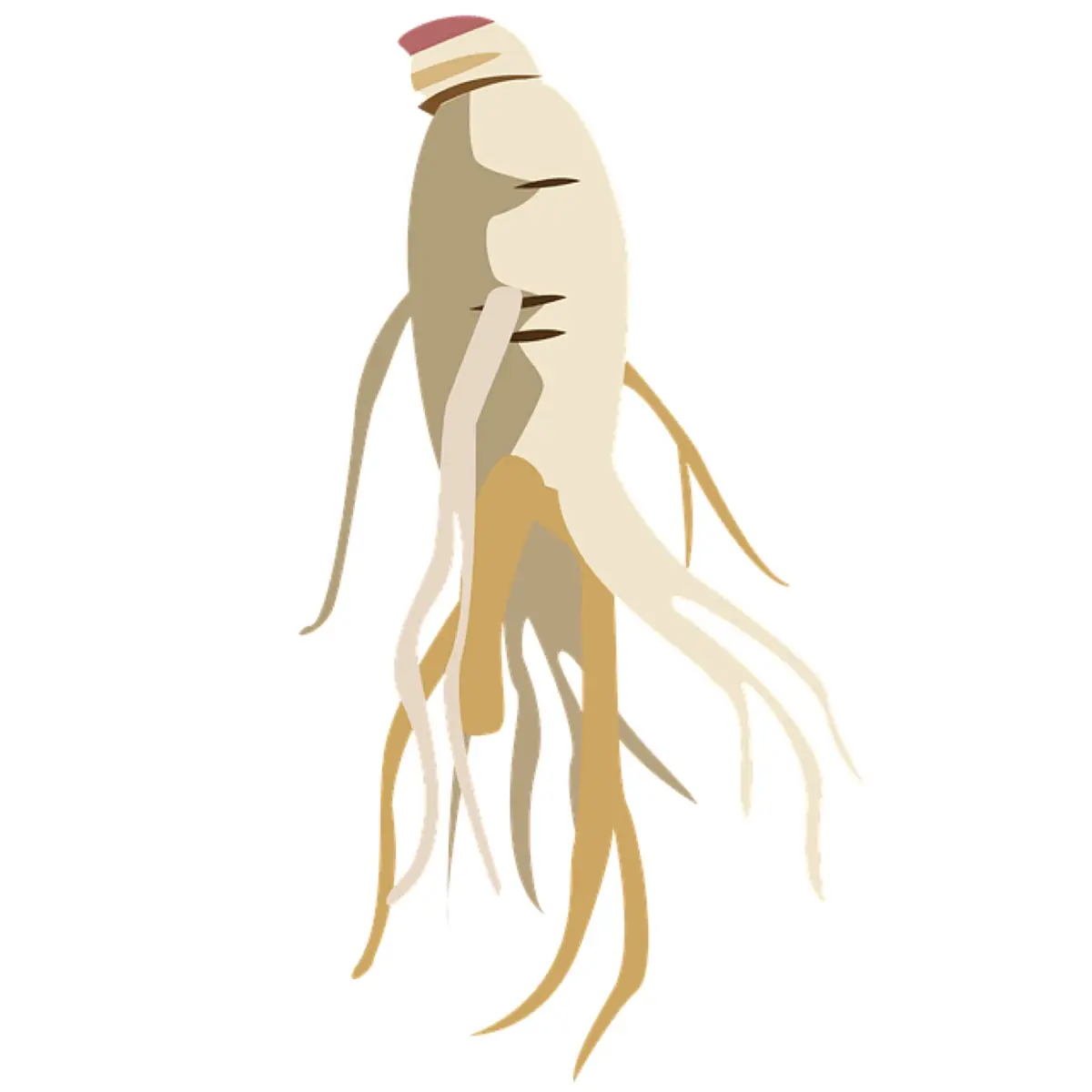
Ginseng is a plant that has been used in Traditional Chinese Medicine for centuries. The root is dried and powdered and then usually taken as a tea or capsule. Ginseng is said to help with a range of problems, including tiredness, anxiety and low libido. Ginseng is sometimes also used as a tonic to improve health.
Although ginseng has been used safely for centuries, it can interact with some medications and should therefore be used with caution. Talk to your doctor before taking ginseng to make sure it is safe for you.
GOJI BERRY
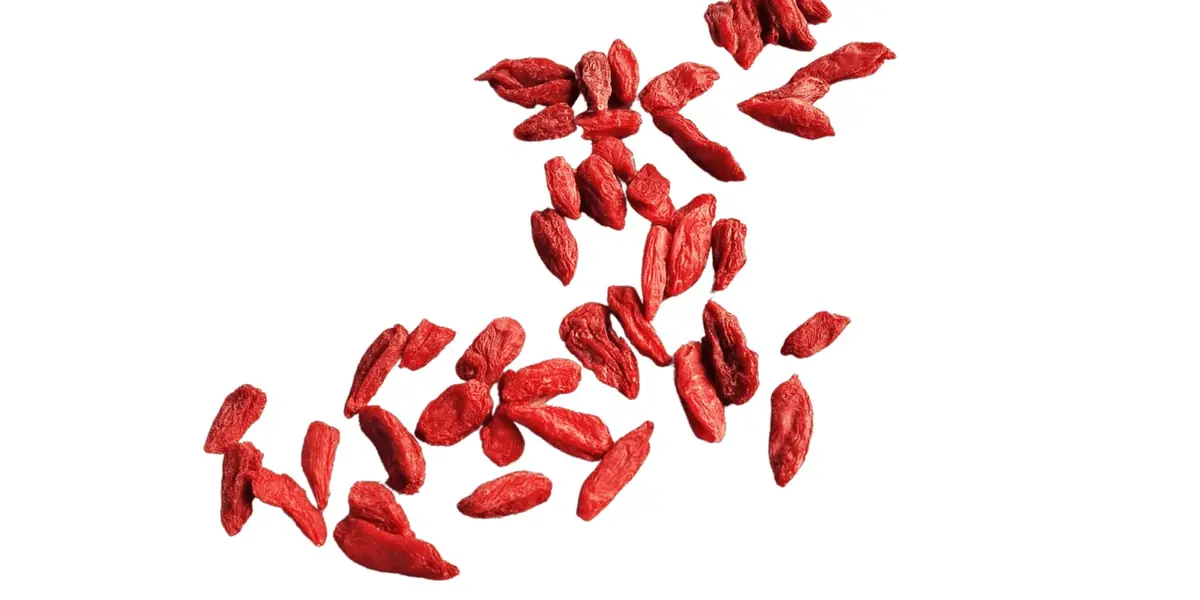
Goji berries are bright red-orange berries that are often used in Chinese herbal formulas. Gou Qi Zi is one of the common Chinese names for goji berries. It means “autumn lids and stems”. This herb is used to strengthen the immune system, improve eye health, strengthen the spleen and reduce stress.
The goji berry is a powerful antioxidant and is often used in TCM herbal formulas to protect the body's cells from free radical damage. Goji berries have been eaten in Asia for generations and are said to promote longevity.
CORDYCEPS
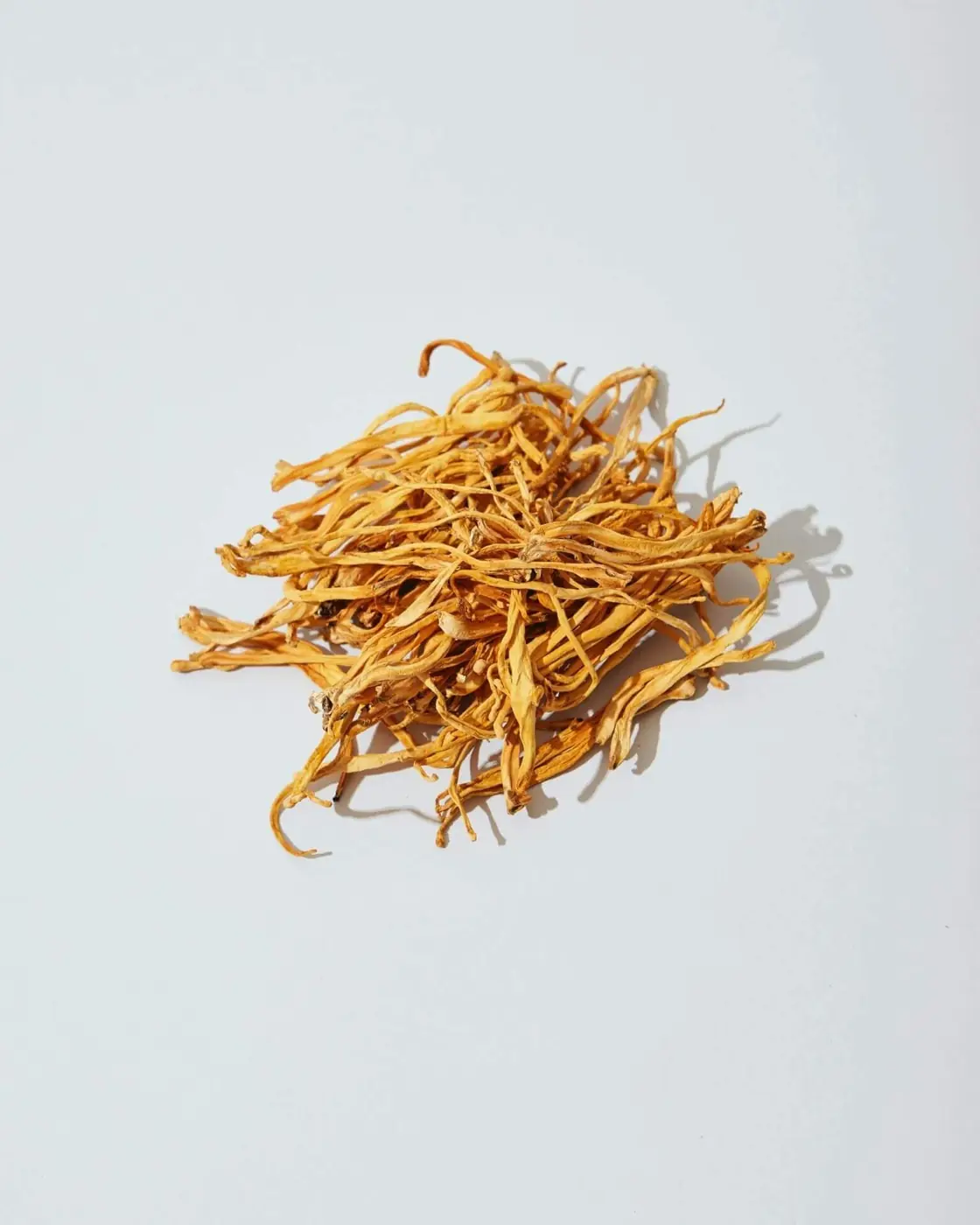
Cordyceps is a Chinese herb used to strengthen the immune system, increase energy and promote longevity. It is one of the 50 fundamental Chinese herbs and is used in Chinese medicine as a valuable tonic. Cordyceps is used to strengthen the immune system, support liver health, increase energy and reduce stress. Cordyceps is also used to promote longevity and reduce tiredness. It is believed that regular consumption extends human life by 10 years.
ELECAMPANE
Elecampane has a long tradition in Chinese medicine. Its botanical name, Inula helenium, derives from the Latin word for “sun”, which is fitting, as elecampane is said to bring warmth and energy to the body. According to Chinese medicine theory, elecampane is used to treat various respiratory conditions, including bronchitis and asthma. It is also said to strengthen the immune system and aid digestion.
LIQUORICE
Liquorice is a sweet-tasting root that has been used in Traditional Chinese Medicine for centuries. It is credited with several health benefits, including supporting digestion and reducing inflammation. Liquorice is often used in formulas because it has a balancing effect on other herbs; it is also used to harmonise different flavours in a formula and make it more palatable.
Because of its many uses, liquorice is considered an important herb in TCM and is used in many formulas. It is often used in herbal formulas for older people, pregnant women and children.
CHINESE RHUBARB
Chinese rhubarb is a perennial plant that has been used in Chinese medicine for centuries. The plant contains various compounds, including anthocyanins and ascorbic acid, which have antioxidant properties. It has also been used to treat digestive problems, skin irritation and diarrhoea. Studies have shown that rhubarb can help in the treatment of inflammatory bowel diseases such as Crohn's disease and ulcerative colitis.
CONCLUSION: TREATING THE ROOT
There are many herbs in Chinese medicine that are commonly used to strengthen the immune system and prevent illness. In general, these herbs are used to promote health and prevent illness by strengthening the body and treating the cause of the illness rather than just the symptoms.