
12.6.2023
Suddenly hay fever?

An explanation from an Ayurvedic perspective
You don't actually have a pollen allergy, but this year you keep noticing symptoms? You feel tired and exhausted, maybe your throat is a little scratchy or your eyes itch? These can be signs that you are currently sensitive to pollen.
But where could this be coming from so suddenly?
In Ayurveda, an increased reaction to pollen always indicates an imbalance in the body, which weakens it and makes it more sensitive to external influences. The immune system, the body's defence, is weakened.
In Ayurveda, the immune system is associated with the Kapha dosha. Accordingly, with hay fever the Kapha dosha is out of balance. In Ayurveda, the three doshas Kapha, Vata and Pitta are used to classify symptoms and characteristics. Everything that makes us human, and nature too, can be assigned to these doshas. Depending on which dosha is out of balance, different complaints arise. These can be counteracted in a way that suits your type.
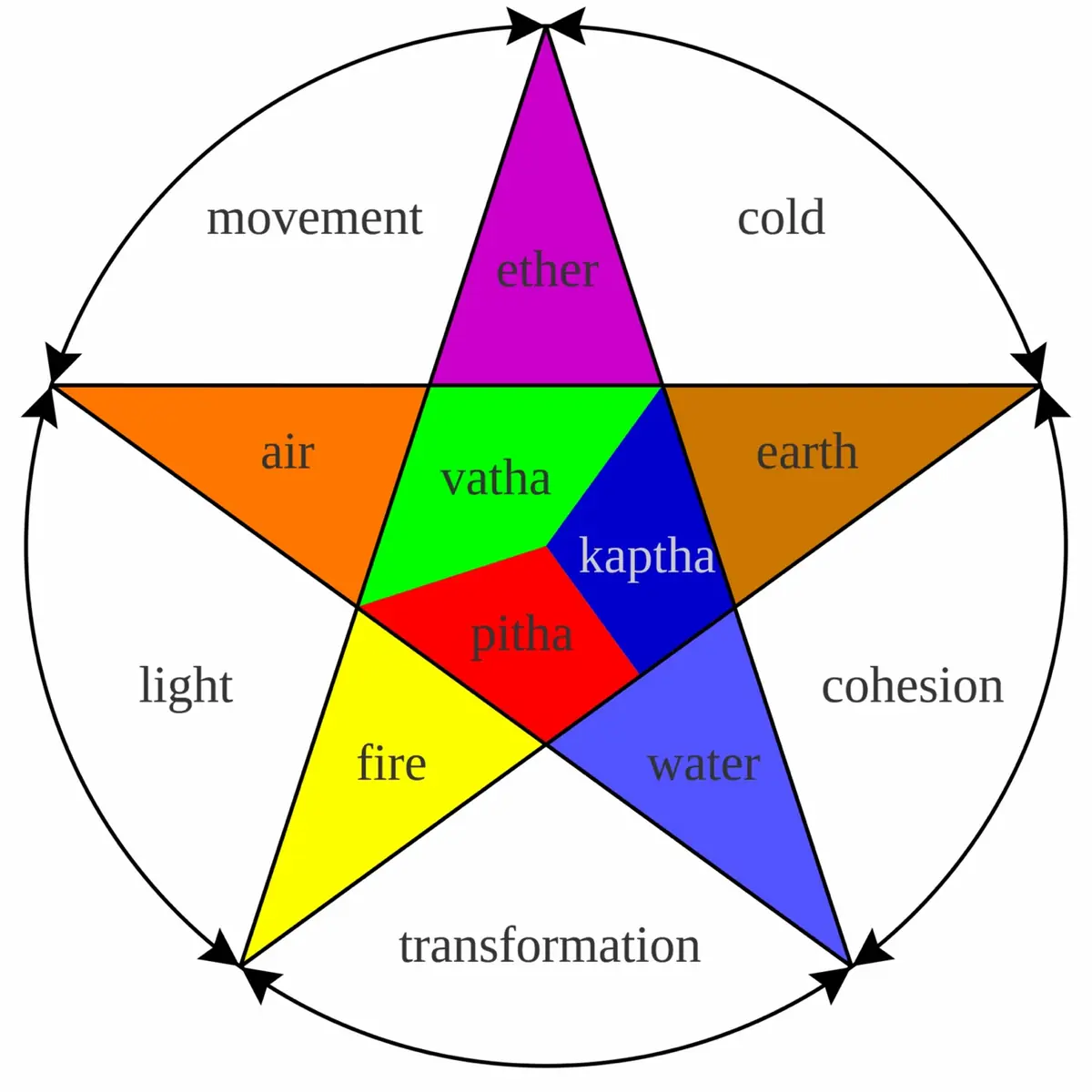
Depending on the hay fever symptoms, another dosha may also be out of balance, indicating what might have led to this sudden hay fever. A dry, scratchy throat, for example, points to a disturbed Vata dosha, while skin rashes suggest an excess of Pitta. A feeling of heaviness and a lot of mucus indicate a lot of Kapha in the body. To counteract these states, it makes sense to first look more closely at the causes of the imbalance.
Too much Kapha arises mainly from heavy, fatty food and lack of exercise. Vata rises quickly with a lot of stress and restlessness, and Pitta is triggered above all by heat in the body, which can come from diet, daily routine or suppressed emotions.
So it may be that our lifestyle or diet over the past weeks or months was not well suited to us, and that is why we have suddenly developed allergy symptoms. Our body simply wants to let us know that something isn't right and that we should find our balance again.
The scientific view of sudden hay fever also concludes that our diet, our stress levels and environmental factors such as increased air pollution can trigger these complaints.
Once we have found the cause of our complaints, we can change something and find more balance again.
Tips to soothe hay fever
Various tips from Ayurveda can help us ease the symptoms and feel better. Who wants to depend on antihistamine tablets every day?
It's best to start with a regular morning routine to cleanse yourself and give pollen no chance.
From an Ayurvedic perspective, tongue scraping and oil pulling are the most useful way to start your day. They flush bacteria that have built up overnight straight out of the body. A nasal rinse is another good cleansing method. Afterwards, you can protect your nasal mucous membranes from pollen by putting 1–2 drops of sesame oil into each nostril.
Another Ayurvedic remedy is turmeric. Turmeric not only has anti-inflammatory properties, it can also be used to counter excess histamine in the body. Histamine plays a major role in all allergies. The typical symptoms are caused by a build-up of histamine in the body.
You should also adapt your diet and lifestyle to your type to find your balance again and get through the pollen season without complaints.
If you would like to learn more about the background of Ayurveda, feel free to contact Isabella Breisch (nutritional consultant).