
19.10.2023
Health begins with sleep 💤
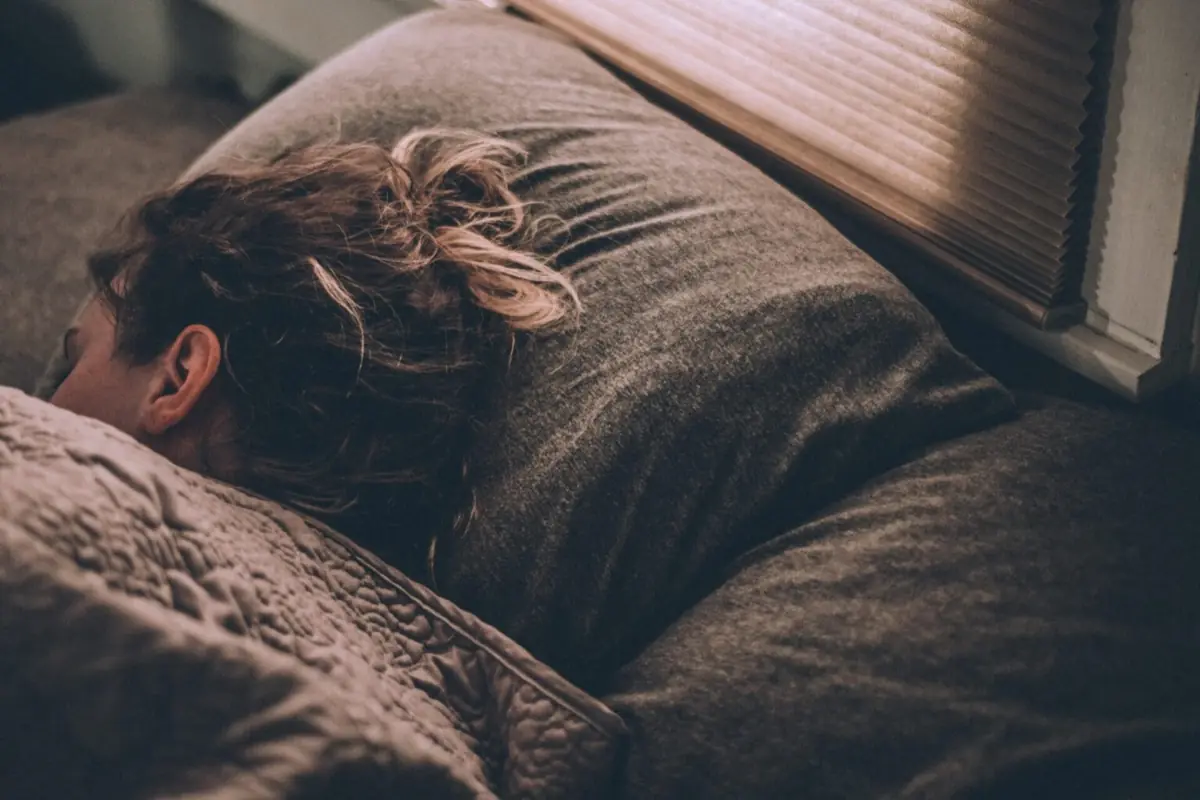
Strength lies in calm, and sleep is where we recharge our batteries!
In our hectic, fast-paced world, sleep is often overshadowed and sometimes treated as a scarce resource. But if we look at our evolutionary history, it becomes clear that sleep is far more than a nightly interruption.
It turns out to be an indispensable part of life: while we rest, an invaluable phase of regeneration and growth takes place for our cells, muscles, organs and brain. Sleep is an essential process of renewal for body and mind.
The average basic need for adequate sleep is between 7 and 8 hours for adults. Over the last 70 years we have lost about 20-25% of our sleep time. It is important to note, however, that a lack of sleep has serious effects on a wide range of bodily functions and processes.
Sleep deficit weakens us
The long-term consequences of chronic sleep deficit are linked to a wide range of health problems, such as reduced attention, reduced cognitive performance, impaired memory, depression, high blood pressure and metabolic disorders such as diabetes, as well as heart and kidney disease and overweight. This makes clear that sleep is not just one part of health, but its essential foundation.
From the perspective of Traditional Chinese Medicine, sleep quality depends primarily on our state of mind (Shen) and our ethereal soul (Hun). These two "spirits" – Shen and Hun – are stored in the blood of the heart and the liver respectively.
When the Yin and blood of these organ systems are abundant and stable, they help settle the spirits at night. When heart and liver blood/Yin are deficient or restless, the spirits wander from their usual dwelling places and keep us awake with their wandering. Sleep problems can point to mental, emotional, digestive and hormonal imbalances. While the heart and liver systems play the main role in sleep disorders, many other organ networks such as the spleen, gallbladder and kidney can also be involved.
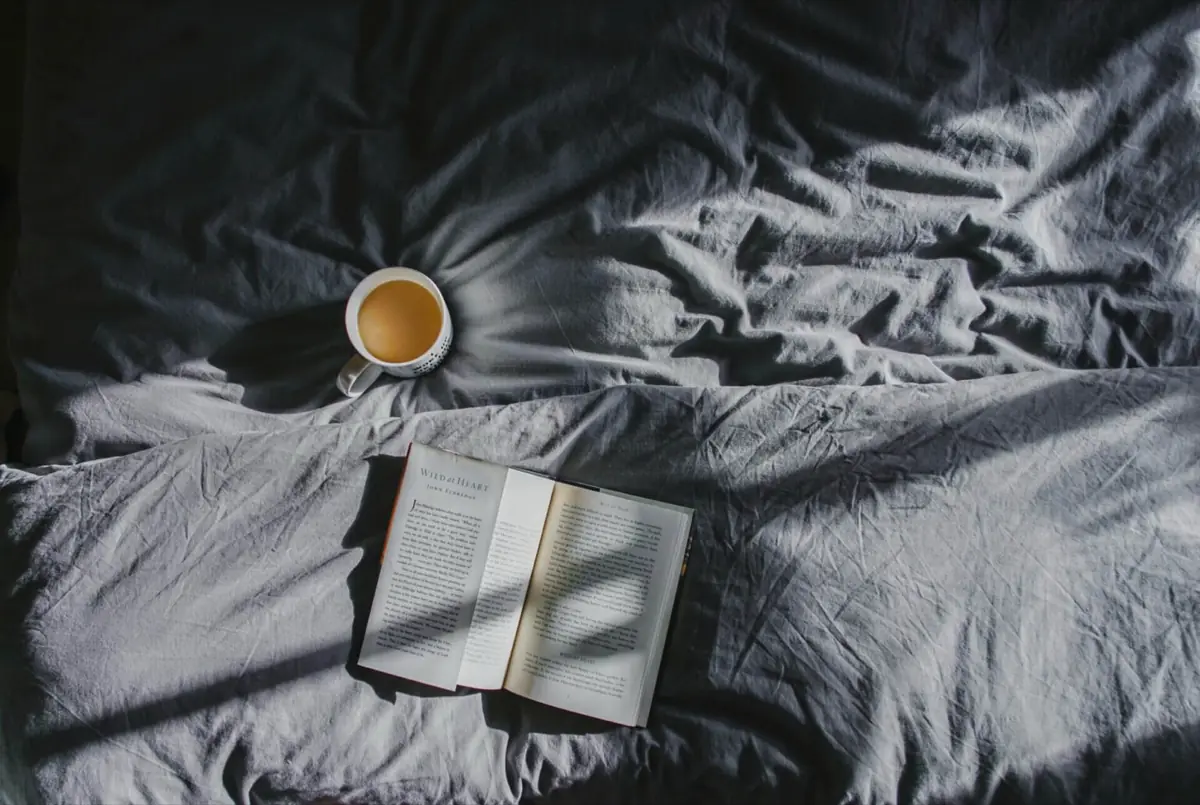
Tips for better sleep quality and sleep hygiene:
Regularity and timing
- Try to bring a rhythm to your sleep. Ideally, get up and go to bed at the same time every day.
- Go to bed when you are tired.
Nutrition & supplements
- Try not to eat and drink too much, too heavily or too late in the evening (not after 7 pm).
- Avoid caffeine in the afternoon (from around 3 pm) and alcohol in the evening.
- Supplements such as Chinese herbal blends, passionflower, ashwagandha, magnesium, melatonin or valerian can help you fall asleep.
Movement: Be active!
To bring your Yin and Yang into balance, it is important to move for at least 10-20 min every day. The more active you are during the day, the easier it is to sleep deeply at night. If possible, avoid exercising right before bed, as it can make it harder to fall asleep.
Room:
- Light: Make sure it is dark at night (blinds, curtains, sleep mask). Our society is constantly exposed to "light pollution", which has a serious effect on our sleep. Try to get daylight straight after getting up or in the first half of the day.
- Temperature: If possible, keep your bedroom cool. 17/18°C is ideal.
- Remove electronic devices from the bedroom. The blue light emitted by electronic devices can not only worsen sleep quality by reducing melatonin, but also lead to "sleep procrastination". Long, mindless scrolling can be agitating and significantly shorten your sleep time. In the morning, too, try to take 15-30 min in which you do not check your smartphone but give yourself time for yourself.
Relaxation ritual
- Falling asleep does not happen at the push of a button, so it can help to create a 15-30 min routine before bed. This can include gentle stretching, meditation, reading, journaling, or deliberately putting away your phone and other electronic devices.
What to do when you just cannot fall asleep?
- "Walk it out": If you cannot fall asleep after 20+ min, get up again and take a short walk or do something else, and only come back when you feel sleepy. Lying awake in bed teaches our brain to be awake when we are in bed, which can make falling asleep even harder.
- Meditation & breathing exercise: Sleep meditation &4-7-8 breathing
- Do not look at the clock
- Aromatherapy: A few drops of lavender, lemon balm and neroli oil in an aroma diffuser or on the wrist can help you fall asleep.
If you would like to learn more about sleep, take a look here. If you have any further questions about sleep, or need support improving your sleep quality or falling asleep, feel free to get in touch or book an appointment right away. 🤍